Overview
The Holland Lop is the rabbit most people picture as a pet: palm-sized, plush-coated, and wearing its ears down like a spaniel. Created in the Netherlands by crossing the big French Lop with the tiny Netherland Dwarf, it was bred for exactly one job — companionship — and it shows in a temperament that rabbit people describe as dog-like: curious, trainable, and fond of its humans. It is now the most popular pet rabbit breed in much of the world.
Temperament & personality
Sweet is the breed's watchword. Holland Lops are typically gentle, inquisitive, and playful, with individual streaks of mischief and stubbornness (unneutered bucks can go through a bolshy adolescence, which neutering usually resolves). They learn litter boxes, names, and simple routines, enjoy toys and tunnels, and bond strongly with patient owners — earning trust at floor level with food and quiet company rather than being scooped up.
Appearance
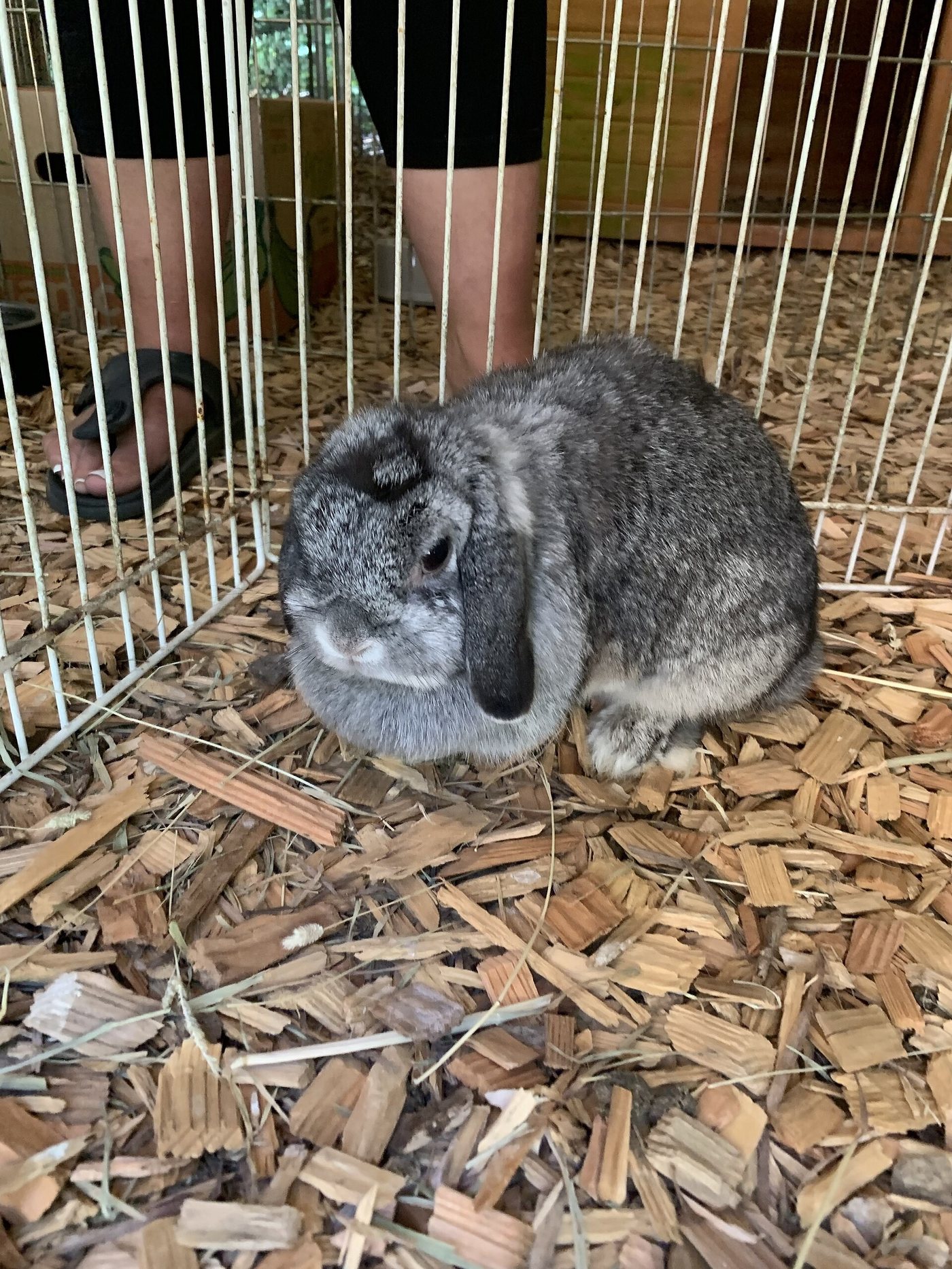
A small, compact rabbit whose ears flop down alongside the face instead of standing upright — the lop ears frame a round head with a notably flat, 'bulldog' face. The coat is medium-length and dense, in a wide range of colours and patterns including orange, grey (blue), black, white, and broken (patched) combinations. Full cheeks and a sturdy little body complete the plush-toy look that made the breed famous.
Care & daily life
Holland Lops need what all rabbits need, done reliably: unlimited grass hay (timothy or meadow) available around the clock — it is most of their diet and keeps both teeth and gut working — plus a small measured portion of pellets, a daily handful or two of leafy greens, and constant fresh water. Housing should be a large exercise pen or free-roam space (a small cage alone is not enough), with daily time out to run. Lop ears need a quick weekly check: flopped ears ventilate poorly and hide wax and infection. Handle gently and support the hindquarters — rabbits' spines are fragile — and teach children to interact with the rabbit on the floor rather than carrying it.
Health & lifespan
The Holland Lop is generally known for the following health watch-points:
- Dental disease — malocclusion and molar spurs are a leading problem in lops; flat faces shorten the jaw, and hay chewing is the main prevention
- Ear problems: lop ears ventilate poorly, predisposing to wax build-up and otitis that can be hard to spot
- GI stasis — the gut slows or stops; a rabbit that stops eating is an emergency, not a wait-and-see
- Flystrike in warm months, especially in outdoor rabbits or any rabbit with a soiled rear
- Uterine cancer in unspayed females is a major risk across rabbit breeds (studies report high rates by age 5–6 in some populations)
- Respiratory infections ('snuffles', Pasteurella) occur across domestic rabbits
Living with a Holland Lop
Holland Lops suit families with older children, couples, and singles — ideally kept indoors as house rabbits, where lifespan and bonding are best. The commitment is 7–10 years of daily care: hay always, space to run, greens daily, and litter-box habits that make free-roaming practical. Like all rabbits they are social animals; a bonded, neutered pair is the happiest setup for people away at work all day.
History
The Holland Lop was created in the Netherlands in the 1950s–60s by breeder Adriann de Cock, who crossed the French Lop with the Netherland Dwarf — aiming for a dwarf-sized rabbit with lop ears. Early kits were still too big, and the line was refined with Sooty Fawns and further dwarf crosses before the breed was recognised in the Netherlands in 1964. Imported to the United States in the 1970s and recognised by the ARBA in 1979, it became the archetypal pet rabbit worldwide.