Overview
The Dachshund — 'badger dog' in German — was engineered over centuries to do an audacious job: follow badgers into their burrows and fight them underground. The long spine, short powerful legs, deep chest, and loud bark all serve that original purpose, and so does the personality: brave, tenacious, independent, and often hilariously stubborn. Today it is a beloved companion that still carries a hunter's heart.
Temperament & personality
Dachshunds are clever, comic, and devoted — often singling out one favourite person. They can be wary of strangers and vocal about anything unusual, making them surprisingly good watchdogs. Their independence makes training a negotiation; they respond to patience, humour, and food rewards, not force. Early socialization curbs their tendency to rule the house.
Appearance
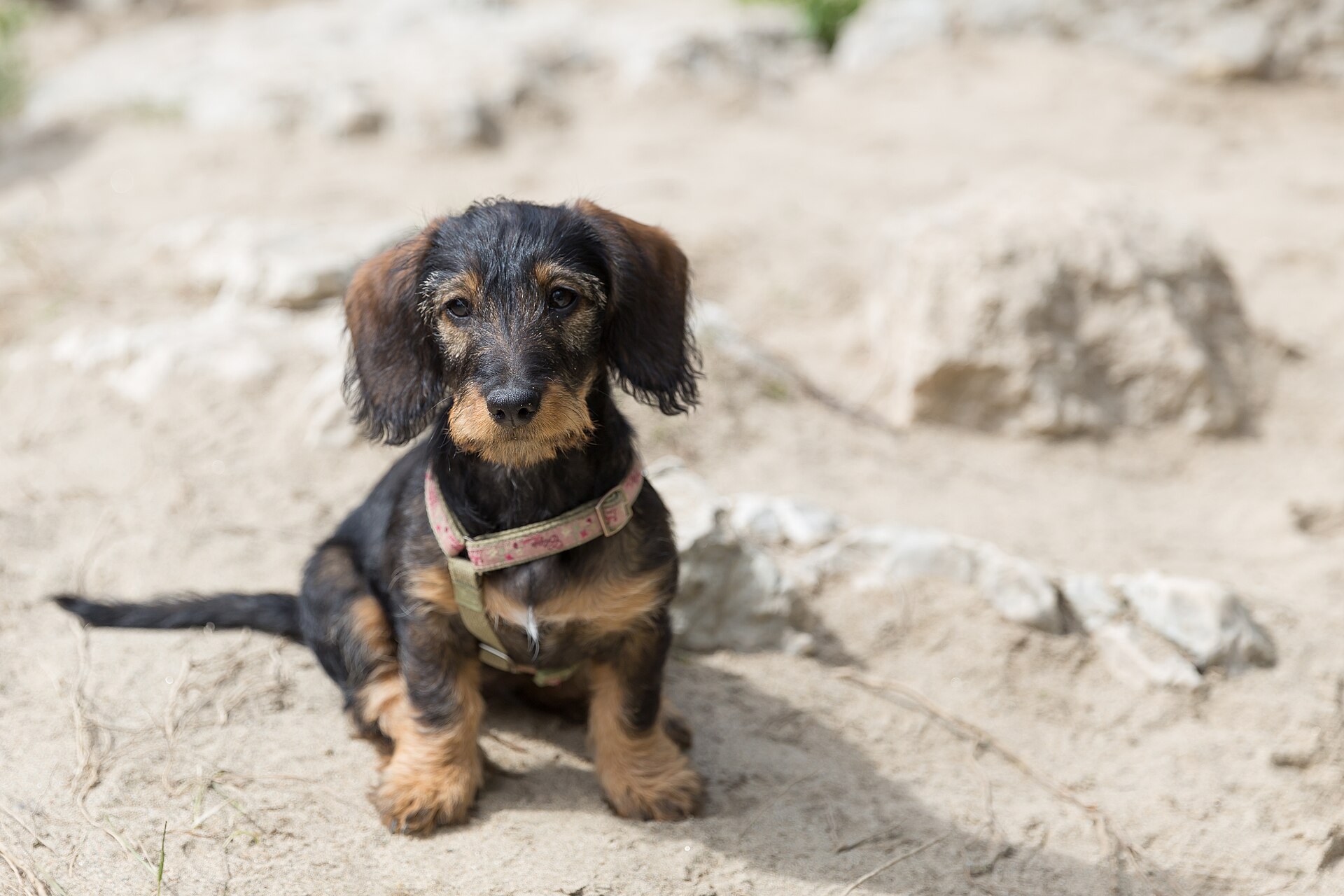
Unmistakable: a long, low body on short legs with a proud head carriage and long ears. Dachshunds come in two sizes (standard and miniature) and three coats — smooth, longhaired, and wirehaired — in colours from red and black-and-tan to dapple and chocolate. The long back is the defining feature and the one that needs lifelong care.
Care & daily life
About an hour of exercise a day, split into sessions, keeps muscles strong — a fit, well-muscled back is the best insurance for this breed's spine. Protect the back: discourage jumping off furniture (ramps help), support both chest and rear when lifting, and keep weight strictly in check, since extra pounds strain the spine. Grooming depends on coat type, from almost none for smooths to regular brushing for longs.
Health & lifespan
The Dachshund is generally known for the following health watch-points:
- Intervertebral disc disease (IVDD) — the breed's signature risk; roughly 1 in 4 Dachshunds experience a back episode in their lifetime
- Obesity, which sharply increases back strain
- Patellar luxation and dental disease in miniatures
- Progressive retinal atrophy in some lines (DNA-testable)
Living with a Dachshund
Dachshunds suit apartments and houses alike and make devoted companions for singles, couples, and families with older children. They can be sharp with small, fast-moving pets and may dig — they were bred for it. Expect a dog that burrows under blankets and into your schedule equally.
History
Dogs of this shape appear in German records from the 15th century, and by the 1700s breeders had refined a fearless earth-dog for badger and rabbit work. The breed nearly vanished from Allied countries during the First World War due to its German origins, then returned to become a permanent fixture of popular culture — and of the AKC's top-ten lists.