Overview
The Basenji is a living antique: a hunting dog from the heart of Africa that hunts by sight and scent, cannot bark, washes itself like a cat, and has been essentially unchanged for thousands of years. It is intelligent, self-possessed, and charmingly stubborn — a breed that lives with you rather than for you. For owners who appreciate a dog with a mind of its own, there is nothing else quite like it.
Temperament & personality
Independent, smart, and poised. Basenjis are famously cat-like: aloof with strangers, selective with affection, meticulous about cleanliness, and given to surveying the room from the highest available perch. They are playful with their own people and can be mischievous — counters, bins, and forbidden objects all get investigated. Training succeeds when it is a negotiation; they bore with repetition and ignore what seems pointless.
Appearance
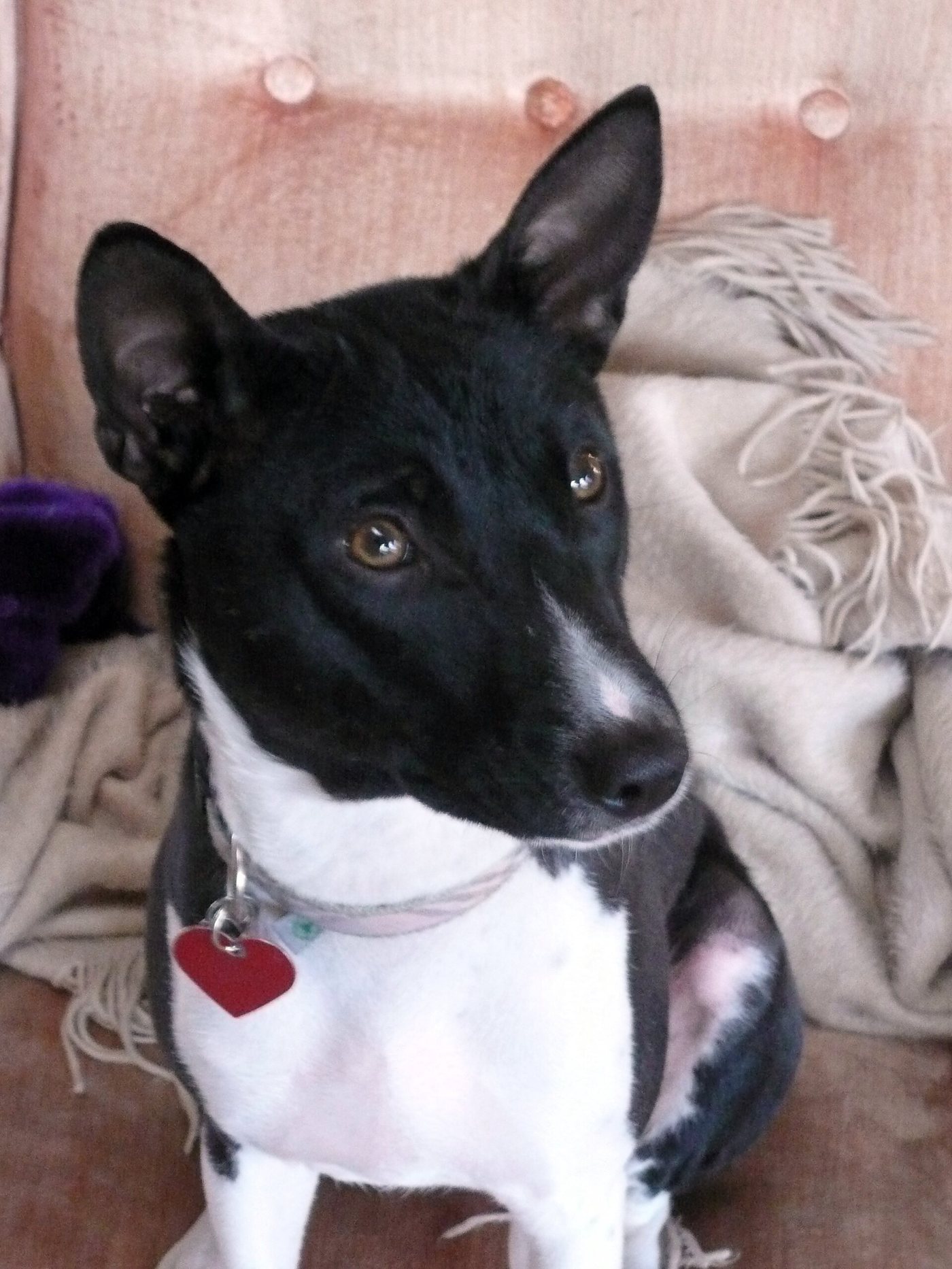
A small, elegant, finely boned hound with a wrinkled, thoughtful forehead, almond eyes, small erect ears, and a tail curled tightly over one hip. The short, fine coat comes in red, black, tricolour, or brindle, always with white feet, chest, and tail tip. Everything about the Basenji looks poised and self-contained — more cat than dog at first glance.
Care & daily life
Basenjis need one to one and a half hours of exercise a day and a securely fenced yard — they are escape artists with a strong chase instinct and should be leashed or in genuinely secure areas off-leash. Grooming is famously minimal: the short coat barely sheds, has almost no doggy odour, and the dog washes itself. Training requires patience and humour; expect a dog that considers requests. Provide climbing spots, warm sleeping places, and mental puzzles to keep that ancient brain busy.
Health & lifespan
The Basenji is generally known for the following health watch-points:
- Fanconi syndrome, a kidney disorder affecting nutrient reabsorption — DNA-testable, and screening is essential
- Progressive retinal atrophy, including a Basenji-specific form (DNA-testable)
- Hypothyroidism
- Immunoproliferative systemic disease and intestinal malabsorption issues in some lines
- Hip dysplasia occurs, though less commonly than in larger breeds
Living with a Basenji
Basenjis suit quiet, patient households — including apartments, given real daily exercise — and owners who find independence charming rather than frustrating. They are not off-leash dogs, not dog-park socialites, and not ideal first dogs. They bond closely but on their own terms, often choosing a favourite chair (or the top of the furniture) and a favourite human. Warmth matters: this African breed hates cold and rain.
History
Dogs strikingly like the Basenji appear in ancient Egyptian art, perched beside hunters and pharaohs. The type survived in central Africa, where Congolese hunters prized its silence, intelligence, and ability to drive game into nets — often wearing a bell so the hunter could track it. Western explorers brought specimens home in the 19th century, and the modern breed was established in Britain and America in the 1930s and 40s; the AKC recognized it in 1944.