Overview
The American Shorthair is the pedigreed version of America's classic farm and ship cat: a hardy, muscular hunter with a century of careful breeding behind it and one of the longest, healthiest lifespans in the cat fancy. Calm, adaptable, and undemanding, it suits almost any home — affectionate on its own terms, self-sufficient when you're busy, and famously even-tempered with children and other animals.
Temperament & personality
Quiet, easygoing, and self-possessed. American Shorthairs are affectionate without being clingy — they enjoy being near you, accept laps on their own schedule, and keep the playful hunting streak of their ancestors well into adulthood. They are tolerant, unflappable cats who rarely panic or sulk, and they tend to get along with everyone in the household rather than bonding to just one person.
Appearance
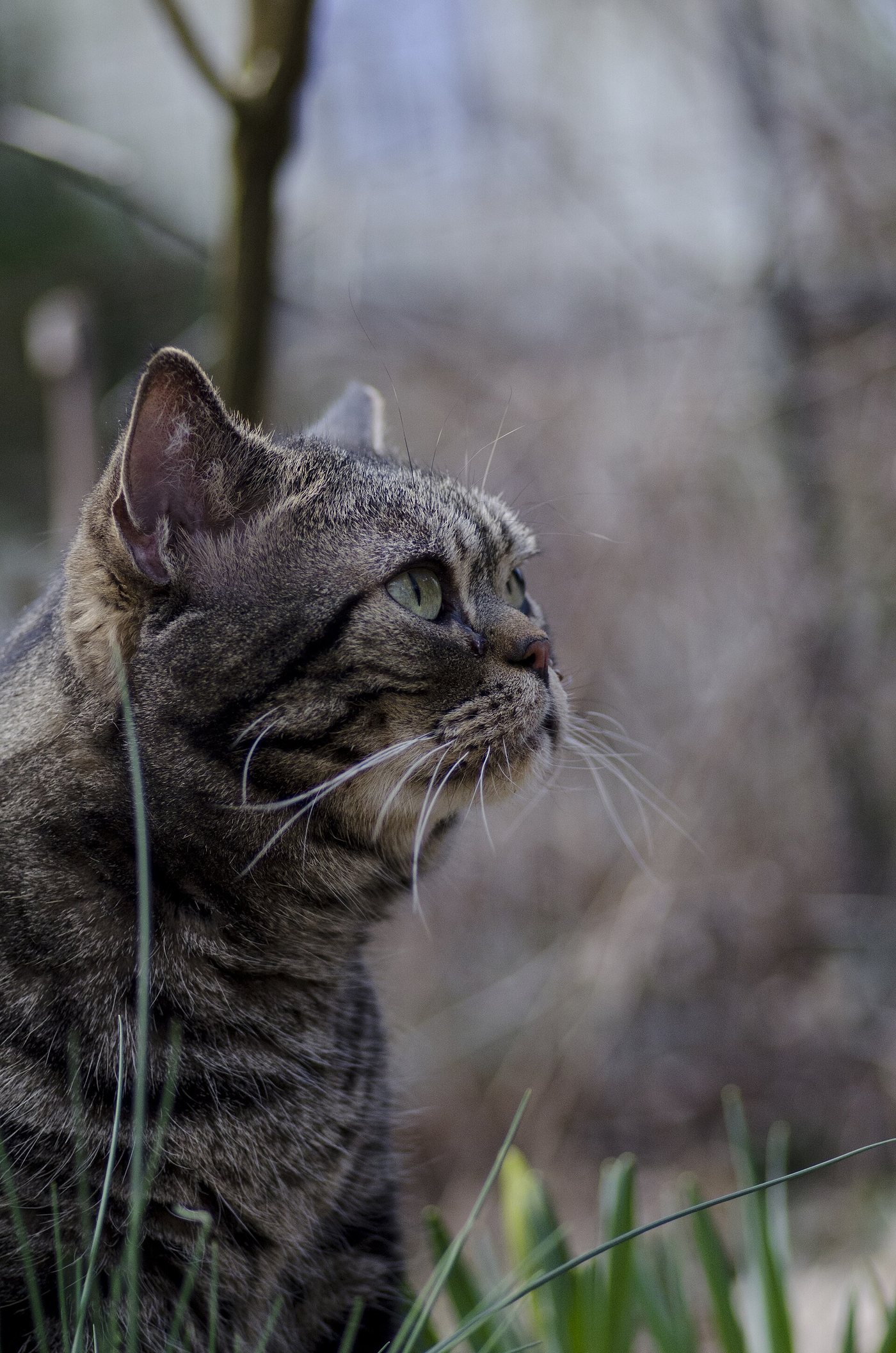
A true working cat's build: medium to large, powerfully muscled, with a broad chest, strong legs, and round, padded paws made for mousing. The head is large and round with full cheeks, a short muzzle, and medium ears slightly tilted forward. The dense double coat comes in more than 80 colors and patterns — the silver tabby is the classic — but the structure underneath never changes: this cat is built like a small, furry linebacker.
Care & daily life
That dense double coat needs a weekly combing, and twice a week during the heavy spring shed. American Shorthairs are easy keepers but gain weight readily indoors, so measure meals rather than free-feeding and keep up daily play — a cat bred to hunt all day does not thrive as a full-time couch ornament. Otherwise care is basic: routine vet visits, dental checks, and claw trims.
Health & lifespan
The American Shorthair is generally known for the following health watch-points:
- Generally one of the healthiest, hardiest pedigreed breeds thanks to its large, diverse gene pool
- Hypertrophic cardiomyopathy (HCM) has been identified in some lines — responsible breeders screen breeding cats by ultrasound
- Obesity is the most common everyday problem; the breed's easy-keeping metabolism turns free-fed indoor cats round quickly
- Dental disease with age, as in most cats — routine dental checks matter in the long lifespan
- No other inherited conditions occur at high rates in the breed
Living with a American Shorthair
American Shorthairs fit almost any household — families, singles, apartments, and farms alike. They are independent enough for working owners, sociable enough for busy families, and adaptable to indoor life with play and perches. They usually accept other cats and dogs gracefully. Few breeds are this low-drama.
History
American Shorthairs descend from the working cats that crossed the Atlantic with European settlers — tradition puts them on the Mayflower — valued as ship's cats and farm mousers who kept grain stores and pantries rodent-free. By the late 1800s they were shown at America's first cat shows, and in 1906 the breed (then called the Domestic Shorthair) was among the CFA's founding breeds. In 1966 the name became American Shorthair to distinguish the pedigreed, deliberately bred cat from random-bred domestics. A century of selection kept the type consistent: a hard, muscular, all-weather hunting cat.