Overview
If small pets were ranked by how much pet you get, the fancy rat would win. Rats learn their names, master tricks, navigate mazes for fun, groom their owners, and laugh (ultrasonically) when tickled. The non-negotiables are company and space: rats are colony animals that must live with other rats, in a tall, interesting cage, with daily time out in the world. The bargain owners make is a big personality against a short life — two to three years.
Temperament & personality
Playful, empathic, and individuals to the core: every rat group has a bold explorer, a food thief, and a cuddler. Females tend to be busy and gymnastic; males generally mellow into lap-rats. They bond deeply with their humans and with each other, communicate constantly, and pine visibly when a cage-mate dies. Keep groups stable and introduce newcomers carefully, on neutral ground.
Appearance
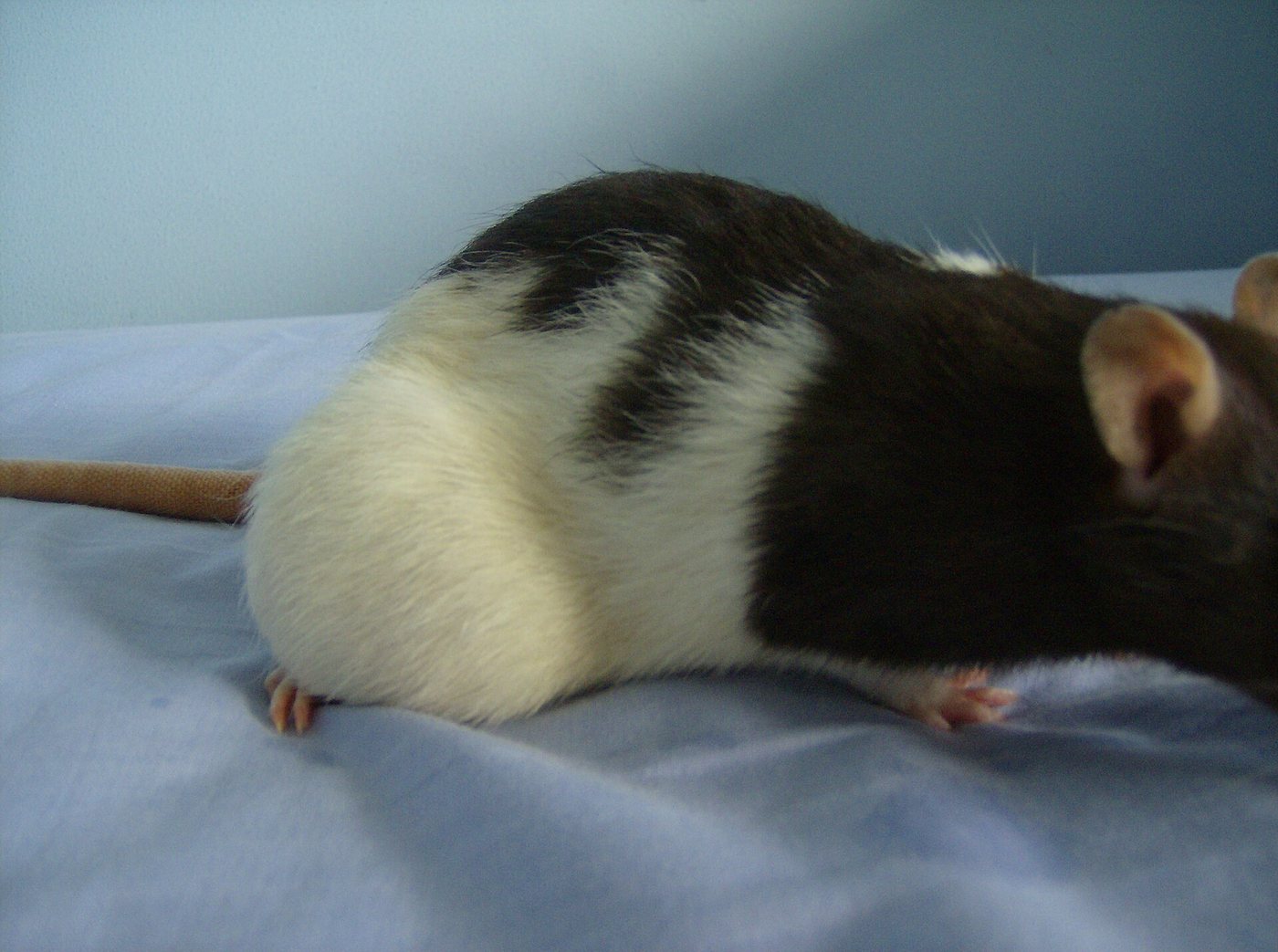
A sleek, muscular rodent with a long, nearly hairless tail, big ears, sharp eyes, and dexterous front paws it uses like hands. Breeders have produced a whole wardrobe: hooded, Berkshire, and rex (curly) coats; dumbo ears set low on the head; hairless varieties; and colours from agouti and black to husky, Siamese, and blue. Males are noticeably larger and lazier-looking than females, with a coarser coat.
Care & daily life
Feed a quality rat block (lab block) as the base with daily fresh foods — vegetables, some fruit, cooked grains, an occasional egg or lean protein. Scatter-feeding and puzzle feeders keep clever minds busy. The cage needs hammocks, ropes, hides, and chew toys, rotated for novelty. Free-roam time in a rat-proofed room for at least an hour a day is close to essential. Spot-clean daily (rats can be litter-trained), wash hammocks weekly, and handle daily — rats bond through contact.
Health & lifespan
The Fancy Rat is generally known for the following health watch-points:
- Chronic respiratory disease from Mycoplasma pulmonis — nearly universal in pet rats; flare-ups need prompt antibiotics
- Mammary tumours in females — very common with age; spaying young reduces risk
- Pituitary tumours, especially in older females (head tilt, weak grip, lethargy)
- Hind-leg degeneration in old males
- Bumblefoot on wire floors and skin mites in stressed animals
Living with a Fancy Rat
Rats suit involved owners — people who want interaction, training games, and a pet that greets them at the cage door. They need at least an hour out of the cage daily and thrive in same-sex groups of two to four. They are excellent first pets for responsible older children, with one honest caveat: two to three years is a short life, and the goodbye comes quickly and hurts accordingly.
History
Fancy rats descend from the wild brown rat, but their temperament is a human creation. In Victorian England, rat-catchers like Jack Black — rat-catcher to Queen Victoria — noticed unusually coloured rats in their catches and bred them as curiosities; rat shows followed, and the National Mouse Club added rats in 1912. A century and a half of selecting the gentlest animals produced a pet quite different from its wild ancestor: an animal bred to enjoy people.