Overview
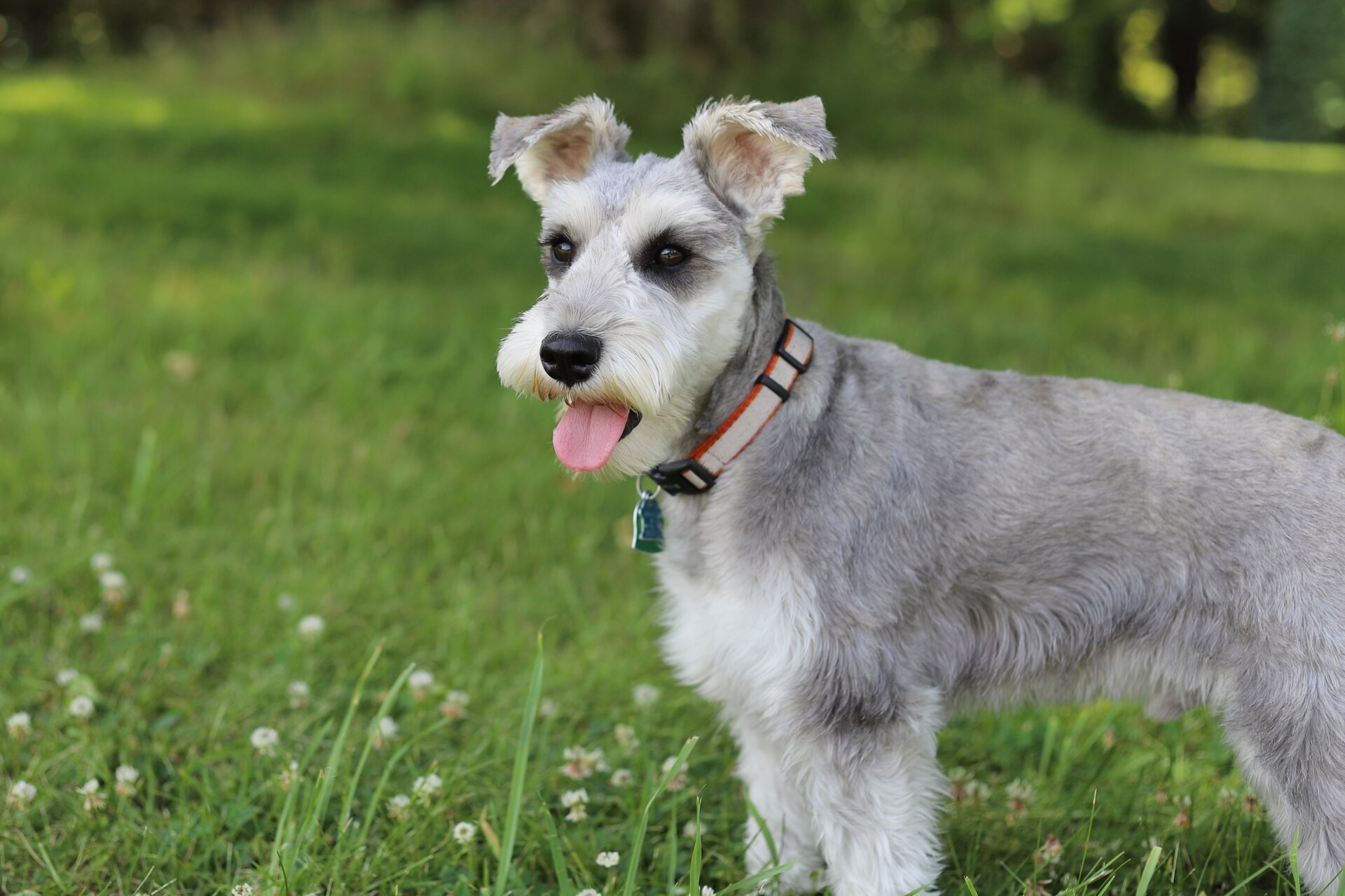
The Miniature Schnauzer is a German farm dog in miniature: the Standard Schnauzer bred down in size in the late 1800s to make an expert ratter for barns and stables. Nothing about the miniaturization diluted the character — this is a bright, bold, cheerful little dog with a big personality, famous for its bearded, eyebrowed face and its devotion to family life. It is perennially among the most popular terrier breeds, and the only schnauzer classified in the Terrier Group by the AKC.
Temperament & personality
Miniature Schnauzers are friendly, alert, and eager to be involved in everything, with a watchdog's enthusiasm for announcing visitors — they are vocal, and barking needs early, kind management. Unlike many terriers they are generally obedient and trainable, getting along well with children and other dogs when socialized. They can be a touch stubborn and are skilled at training their owners, but their overall temperament is one of the most reliably cheerful in the terrier group.
Appearance
A robust, square-built little dog with a rectangular head, bushy eyebrows, and a full beard and moustache that give it a distinguished, almost professorial air. The wiry double coat comes in salt-and-pepper, black-and-silver, and solid black. Ears may be cropped (where legal) or natural and folded; the tail is set high. The overall impression is of a much larger dog condensed, with no hint of toy fragility.
Care & daily life
About an hour a day of walks and play keeps most Miniature Schnauzers content, though they are game for more. The wiry coat sheds very little but needs weekly brushing of the furnishings (legs and beard) to prevent mats, plus professional clipping or hand-stripping every five to eight weeks. Beards need rinsing after meals. Fat in the diet matters: this breed is prone to high blood lipids and pancreatitis, so keep treats lean and resist those pleading eyes at the table.
Health & lifespan
The Miniature Schnauzer is generally known for the following health watch-points:
- Hyperlipidemia (high blood fats) and pancreatitis — the breed's signature internal risks; a low-fat diet is often advised
- Bladder and kidney stones, especially calcium oxalate stones, occur at elevated rates
- Cataracts and progressive retinal atrophy (DNA tests exist for some forms)
- Portosystemic (liver) shunt occurs in the breed
- Schnauzer comedo syndrome ('schnauzer bumps') is a breed-typical skin condition, usually cosmetic
Living with a Miniature Schnauzer
Miniature Schnauzers are wonderfully adaptable — apartments, houses, city or country — and suit families, singles, and seniors who want an alert, interactive dog without a large dog's logistics. They need daily activity and human company, and their barking should be considered by apartment dwellers. For many owners this is the near-perfect small dog: portable, sturdy, and barely shedding.
History
German breeders in the late 19th century crossed the Standard Schnauzer with smaller breeds — most likely the Affenpinscher and Miniature Pinscher among them — to create a ratter sized for barns and homes. The breed was shown as early as 1899 and recognized by the AKC in 1926. It quickly outgrew its working role to become one of the world's favourite companion dogs, while keeping the schnauzer family's beard, brows, and bright character intact.