Overview
The Lakeland Terrier is a small, square, immensely self-confident fox terrier from the Cumbrian fells, bred to run with hounds all day and then go down a rocky den after a fox. It has kept all of that boldness and charm in a handy 17-pound frame, making it one of the most entertaining — and occasionally opinionated — small companions in the terrier group.
Temperament & personality
Bold, friendly, and supremely confident, Lakelands are playful, inquisitive, and convinced of their own importance. They are affectionate with family, amusing in everything they do, and typically terrier-stubborn when a scent or a squirrel intervenes. Training goes best with humour, consistency, and rewards; socialization with other dogs should start early and never really stop.
Appearance
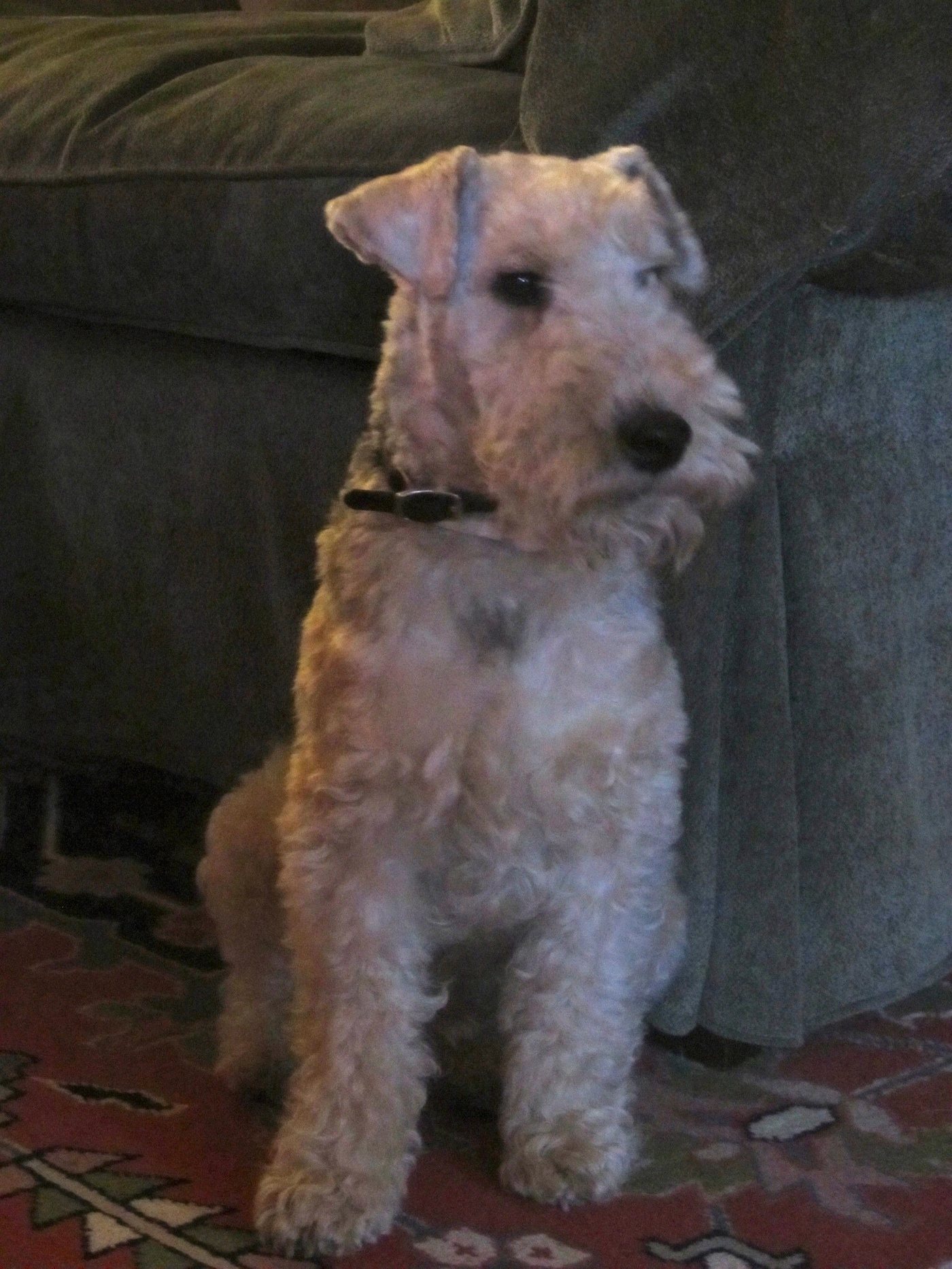
A compact, square little terrier with a wiry, weatherproof jacket in red, wheaten, grizzle, or black-and-tan, carried on a smart, docked or natural tail and a keen, foxy face. The coat is harsh and close-fitting, the whole outline neat and workmanlike — this is a fell-hunting terrier with no exaggeration anywhere.
Care & daily life
Lakelands need about an hour of exercise and activity daily and a garden with serious fencing — this is a hunting terrier that will dig under or climb over obstacles after prey. The wiry coat needs brushing weekly and hand-stripping two or three times a year; clipping is easier but softens and fades the coat. Start socialization with other dogs early.
Health & lifespan
The Lakeland Terrier is generally known for the following health watch-points:
- Primary lens luxation, an inherited eye emergency — DNA testing is available
- Legg-Calvé-Perthes disease, a hip-joint condition of young small dogs
- Von Willebrand's disease occurs in the breed
- Cataracts and hypothyroidism are reported; overall a hardy little terrier
Living with a Lakeland Terrier
Lakelands suit active homes that appreciate a big terrier personality in a compact body. They are cheerful family dogs, good with children, and adaptable to town or country — provided the fence is dig-proof, the exercise is real, and someone is home for a good part of the day. Their size makes them manageable; their spirit keeps life interesting.
History
Farmers in England's Lake District bred these small, hard terriers to protect lambs from foxes, running with the fell packs of hounds and bolting foxes from rocky crags. Working Lakelands were prized for gameness above looks well into the 1900s; the show breed was standardised under the Lakeland Terrier name in the 1920s (the breed club formed in 1921) and recognised by the AKC in 1934.