Overview
The Cardigan is the older and slightly larger of the two corgi breeds — and the one with the long, fox-like tail. One of the oldest herding breeds in Britain, the Cardigan spent centuries driving cattle in the hills of Cardiganshire, nipping heels and ducking kicks from its low-slung frame. Today's Cardigan is a devoted, watchful family dog: more reserved than its Pembroke cousin, deeply loyal, and clever enough to need a job in the household.
Temperament & personality
Cardigans are affectionate and fun-loving with their own families but typically more cautious with strangers than Pembrokes, making them excellent little watchdogs. They are intelligent problem-solvers who enjoy training and dog sports, and their herding heritage can surface as heel-nipping at running children if it is not redirected early. Sensitive to their people's moods, they bond strongly and prefer to be involved in everything the household does.
Appearance
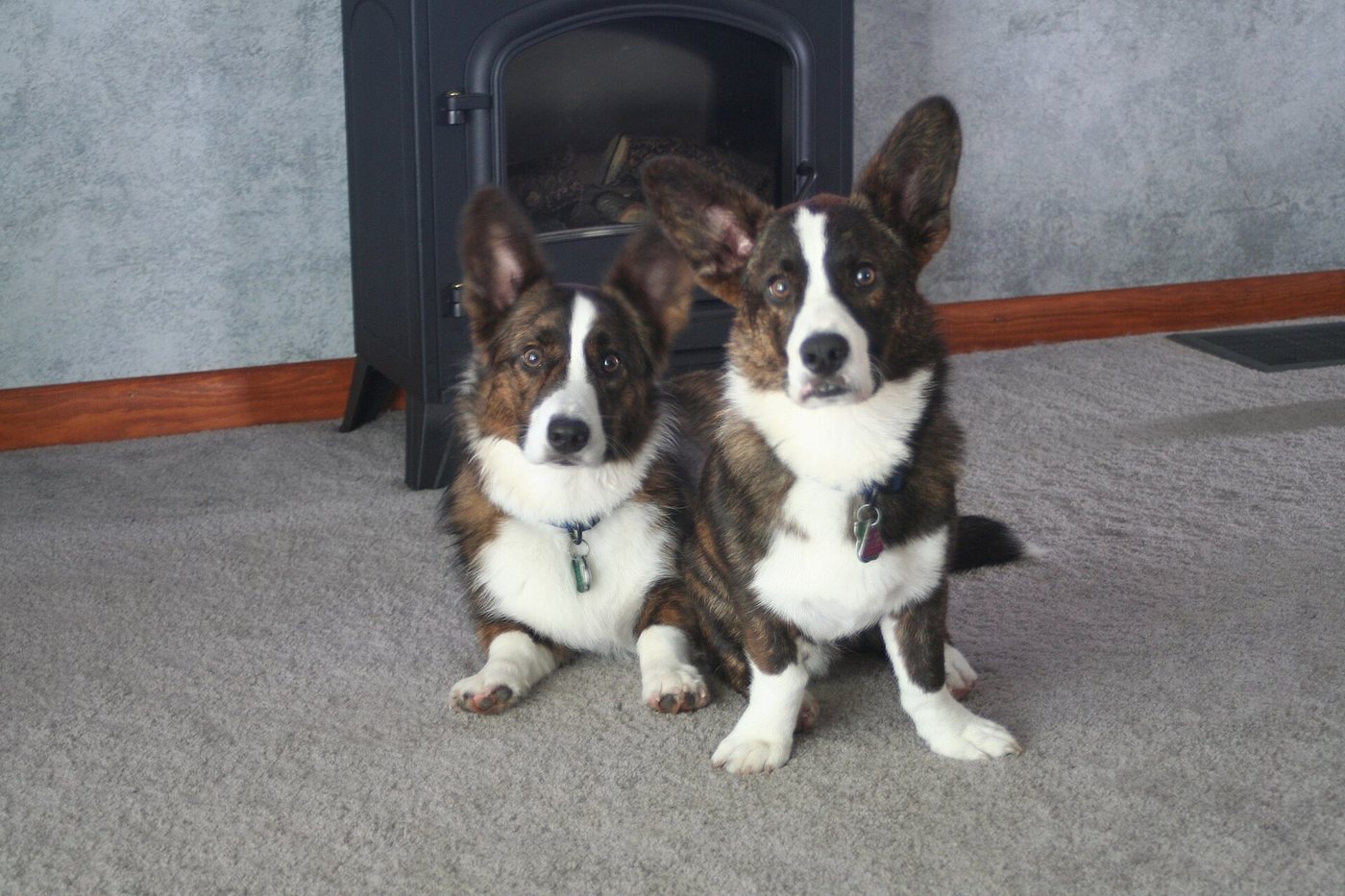
A long, low dog — substantially longer than tall — with a full, fox-brush tail carried low, large upright ears with rounded tips, and a thick double coat in almost any colour: brindle, red, sable, black, or blue merle, usually with white markings. Cardigans are heavier-boned than Pembrokes, with slightly bowed front legs that turn the paws out a touch.
Care & daily life
Give about an hour of exercise daily, mixing walks with play and training — herding breeds need their brains occupied as much as their legs. Brush weekly, and more during the twice-yearly coat change. Protect the long back as you would a Dachshund's: keep the dog lean, use ramps for furniture and cars if jumping becomes a habit, and lift with support under both chest and rear. Early socialization and training channel the herding instincts constructively.
Health & lifespan
The Cardigan Welsh Corgi is generally known for the following health watch-points:
- Hip dysplasia
- Intervertebral disc disease (IVDD) — the long-backed build shares the Dachshund's main risk; a small percentage of Cardigans are affected
- Degenerative myelopathy can occur in older dogs
- Progressive retinal atrophy (DNA testing available)
- Obesity worsens back and joint strain and must be managed carefully
Living with a Cardigan Welsh Corgi
Cardigans adapt well to houses and apartments alike, as long as their exercise, training, and company needs are met. They suit singles, couples, and families with older children who enjoy an engaged, trainable dog. They bark to announce visitors, which apartment dwellers should know, and they are happiest as indoor dogs at the centre of family life.
History
The Cardigan is one of Britain's oldest breeds, with ancestors thought to have arrived in Wales with Celtic tribes around 3,000 years ago; a dog of this type is referenced in Welsh law codes of the 10th century. For centuries it was the indispensable farm dog of Cardiganshire — herder, guard, and vermin hunter in one. The Cardigan and Pembroke were shown as one breed until 1934, when the Kennel Club separated them; the Cardigan remains the rarer of the two.