Overview
The Beagle is a small scent hound with an outsized personality and arguably the best nose in the business — around 220 million scent receptors, and a brain devoted to processing them. Bred to hunt rabbits in packs, it brings that pack sociability, food drive, and musical voice into family life. Think of a Beagle as a cheerful detective: always investigating, occasionally announcing findings at volume.
Temperament & personality
Merry is the word breed standards use, and it fits: Beagles are sociable, even-tempered, and famously good with children. They are also single-minded when a scent is on the ground, which makes them escapists and selective listeners outdoors. Training works best with food rewards and patience; harsh methods just meet a shrug.
Appearance
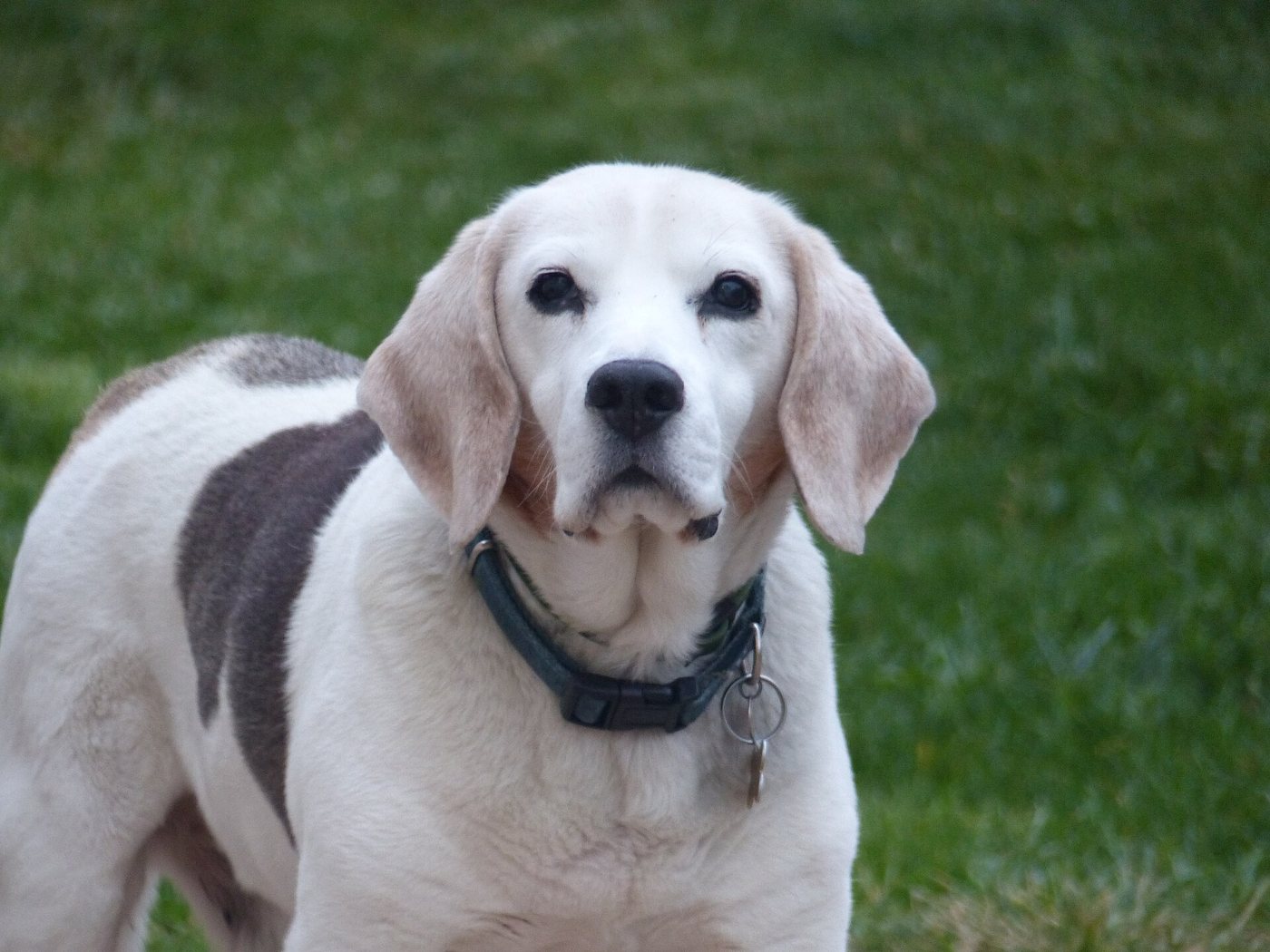
A sturdy, muscular little hound with long drop ears, pleading hazel or brown eyes, and a short, dense, weatherproof tricolour coat (black, tan, and white is classic; lemon and red variations exist). The white-tipped tail is held high like a flag — bred in so hunters could spot the dog in tall cover.
Care & daily life
Give at least an hour of varied exercise daily, always on leash or in a secure fence if a scent is likely — a Beagle on a trail will not hear you calling. Brush weekly; check and clean the long ears regularly since airflow is poor. Feed carefully: Beagles are champion food thieves and gain weight quickly.
Health & lifespan
The Beagle is generally known for the following health watch-points:
- Hypothyroidism and obesity are the breed's everyday risks
- Ear infections, helped along by long, low-airflow ears
- Epilepsy occurs in some lines
- Hip dysplasia and intervertebral disc issues are less common but seen
- Cherry eye and other eye conditions occasionally occur
Living with a Beagle
Beagles suit active families and do best with a securely fenced yard — they are talented escape artists when a scent calls. Apartment living is possible with serious exercise, but neighbours should be warned about the voice. They are pack animals that thrive with canine company and do not enjoy long solitude.
History
Small scent hounds existed in Britain for centuries, but the modern Beagle was shaped in the 1830s–1870s by Reverend Phillip Honeywood and others who standardised a pack hound for hare hunting on foot. Imported to America after the Civil War, the breed was recognised by the AKC in 1885 and has been a top companion breed ever since.