Overview
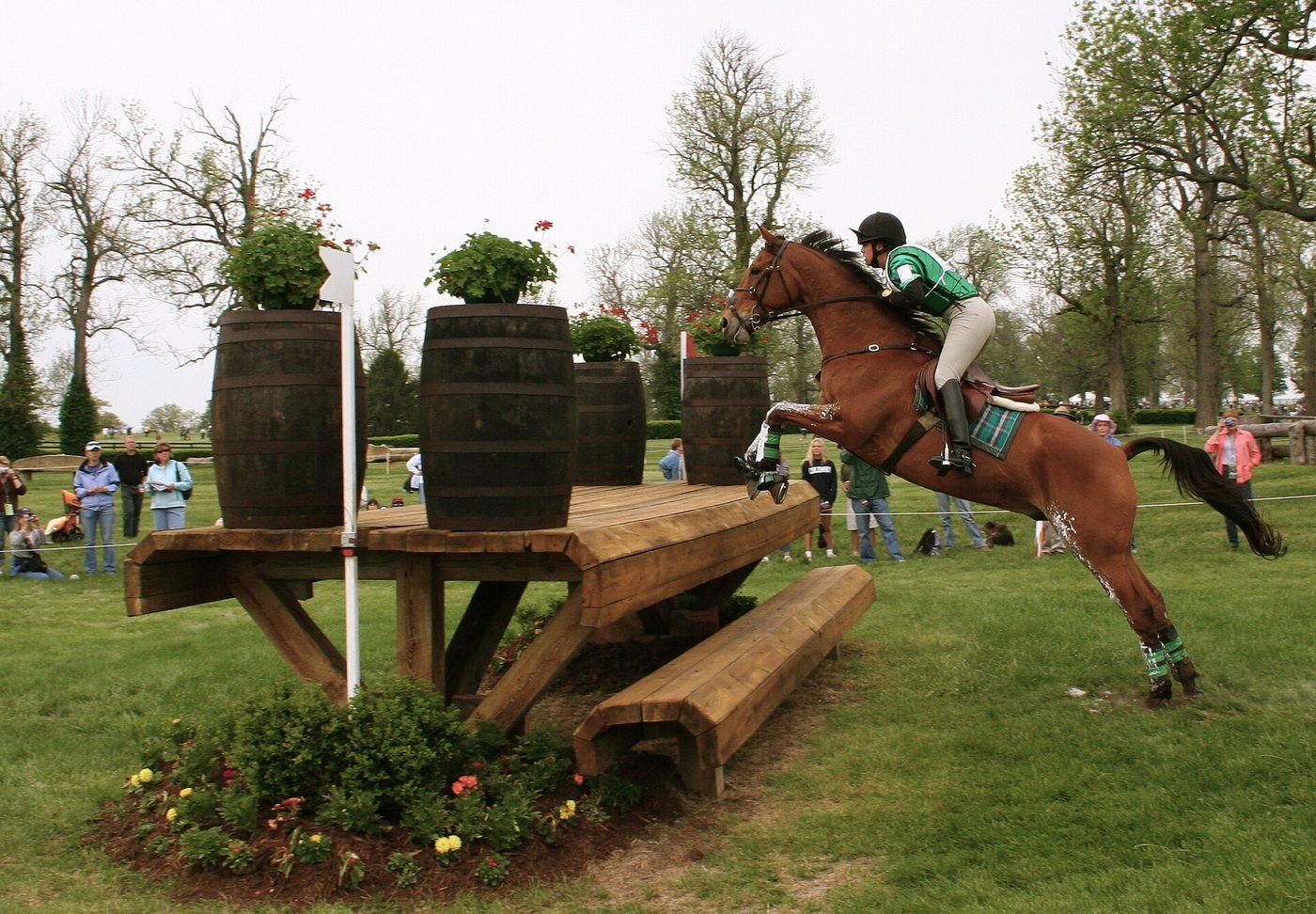
The Thoroughbred is the fastest breed of horse over middle distances and the backbone of a global racing industry — a tall, lean athlete refined over three centuries for one purpose. Less widely understood is the second act: retired racehorses ('OTTBs') retrain into eventers, jumpers, hunters, and trail horses of real quality, which is why the breed that begins on the racetrack so often ends as someone's beloved sport horse.
Temperament & personality
Thoroughbreds are classed as a 'hot' breed: bold, forward, sensitive to the rider's aids, and quick-thinking — qualities that make them electric in expert hands and occasionally too much horse for the unprepared. They are also, contrary to stereotype, frequently affectionate and people-loving. Training and handling history dominate: a well-retrained ex-racer is often a steadier schoolmaster than its racing reputation suggests.
Appearance
A tall, lean, deep-chested athlete built for speed at distance: long legs, a long neck, sloped shoulders, and powerful hindquarters under a fine, thin coat. Every line of the horse serves airflow, stride, and heat-shedding — there is no decorative excess anywhere on a Thoroughbred.
Care & daily life
Thoroughbreds are higher-maintenance than stock breeds: most need concentrates to hold weight, blankets in cold weather (the coat is fine), and attentive leg and hoof care. They thrive on work and routine, and retired racehorses need a structured let-down and retraining period as they learn a second career. Feet tend to be thin-walled and shelly — a good farrier is not optional. Turnout and company matter; a stalled, idle Thoroughbred is an unhappy one.
Health & lifespan
The Thoroughbred is generally known for the following health watch-points:
- Gastric ulcers — studies find them in the great majority of racehorses in training; management is diet, turnout, and forage access
- Exercise-induced pulmonary haemorrhage ('bleeding') occurs in racing
- Musculoskeletal injury is the leading health risk in racing, particularly of the lower limbs
- Tying-up (exertional rhabdomyolysis) affects some individuals, managed with diet and exercise routines
- Thin hoof walls and underrun heels are common, making farriery a major ongoing cost
- Colic risk follows the management factors common to all stabled performance horses
Living with a Thoroughbred
Thoroughbreds suit riders who want an athlete: eventers, jumpers, and experienced pleasure riders, including the growing world of off-track Thoroughbred retraining. They ask more of an owner than stock breeds — feed, farriery, blankets, and a real exercise program — across a 25–30-year lifespan. For the rider who puts in the work, few horses give back more brilliance per dollar, since ex-racers are often remarkably inexpensive to buy.
History
The Thoroughbred was created in England in the late 17th and early 18th centuries by crossing imported Arabian, Barb, and Turkoman stallions — every modern Thoroughbred traces in tail-male line to the Byerley Turk, the Darley Arabian, or the Godolphin Arabian — onto native mares, selecting ruthlessly for speed. The General Stud Book, begun in 1791, closed the breed. Thoroughbreds spread worldwide with racing and improved countless other breeds; the record books run from the Kentucky Derby to the Grand National.