Overview
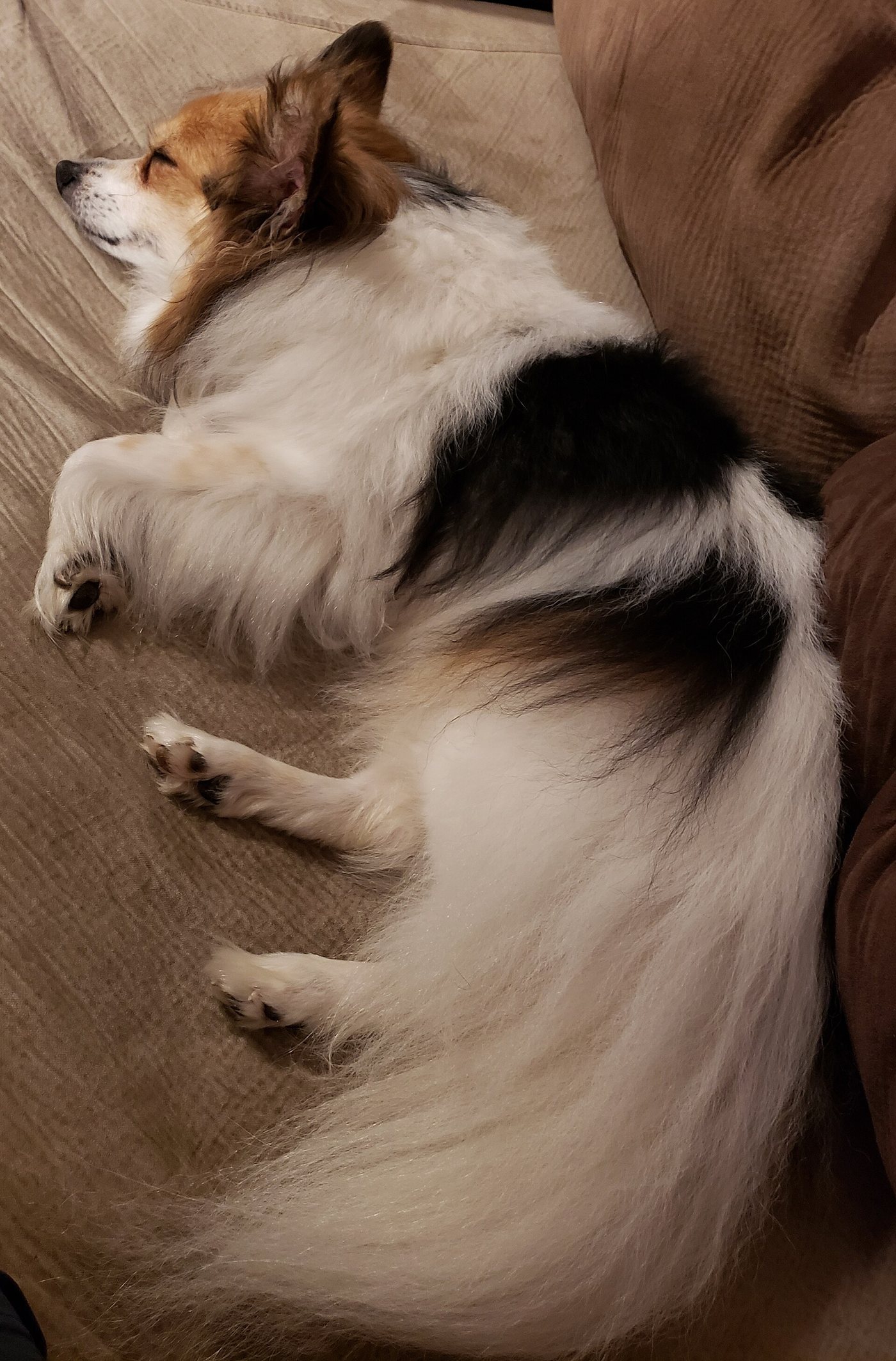
The Papillon — 'butterfly' in French — is the toy spaniel of European courts, painted into portraits by Titian and Rubens and adored by everyone from Marie Antoinette to Madame de Pompadour. Do not let the daintiness fool you: the Papillon is consistently ranked among the most intelligent of all toy breeds, a star of agility and obedience, and an active, hardy little dog that wants adventures, not a handbag. A drop-eared variety, the Phalène ('moth'), is the same breed in every other respect.
Temperament & personality
Happy, alert, and outgoing, Papillons are friendly with people and other dogs and lack the snappiness sometimes seen in toy breeds. They are quick learners who excel in training and dog sports, and they bond closely with their people while keeping an independent, cat-like streak. They can be vocal watchdogs and are sensitive to rough handling; with gentle children they are playful companions, but their fine bones make them a safer match for older kids.
Appearance
A fine-boned, elegant little dog with a plumed tail carried arched over the back, a fine silky coat with long fringing on the ears, chest, and legs, and the breed's defining feature: huge, wing-like fringed ears that evoke a butterfly — in the drop-eared Phalène they fold down instead. The coat is white with patches of colour — black, red, sable, or lemon — and the face is finely marked with a blaze.
Care & daily life
Give 45 minutes to an hour of walks, play, and training a day — Papillons are energetic for their size and thrive on learning tricks, agility, and games. The silky coat has no undercoat and mats far less than it looks like it would: brush two or three times a week, paying attention to the ear fringe and behind the legs. Dental care matters greatly in toy breeds. Protect the fine frame: teach children gentle handling and use ramps where jumping from height is a habit.
Health & lifespan
The Papillon is generally known for the following health watch-points:
- Patellar luxation (slipping kneecaps) — the breed's most common orthopedic issue
- Progressive retinal atrophy — DNA testing is available and used by responsible breeders
- Dental disease in small, crowded jaws needs active prevention
- Open fontanelle can occur in puppies and usually closes; very soft spots need protection
- Generally a hardy, long-lived breed with few major inherited problems
Living with a Papillon
Papillons are perfect city and apartment dogs that travel easily and fit almost any household with gentle handling — singles, seniors, and families with older children all suit them. They need more exercise and mental stimulation than their size suggests and dislike being left alone all day. For owners who want a small dog with a big dog's brain and enthusiasm, few breeds deliver like this one.
History
Dwarf spaniels with butterfly ears appear in European paintings from the early 1500s onward, in works by Titian, Van Dyck, Rubens, and Rembrandt, always as the treasured companions of noblewomen. The breed was refined in France and Belgium (with roots likely reaching to Italy and Spain), and Marie Antoinette is said to have carried her Papillon to the guillotine, handing it to a caretaker at the end. The AKC recognized the breed in 1915, drop-eared Phalènes included as the same breed.