Overview
The Löwchen — 'little lion' — is a bright, sturdy companion breed that has been amusing European households for centuries. Unlike many fragile-feeling toy breeds, the Löwchen is a confident little athlete: outgoing with strangers, playful well into old age, and small enough to fit almost any living situation. Its near-disappearance in the last century makes every modern Löwchen a small conservation success story.
Temperament & personality
Affectionate, merry, and surprisingly bold. Löwchens greet the world as if it were arranged for their entertainment, and they are quick learners who enjoy training games as much as walks. They can be vocal watchdogs — they will announce visitors enthusiastically — but they are friendly once introductions are made.
Appearance
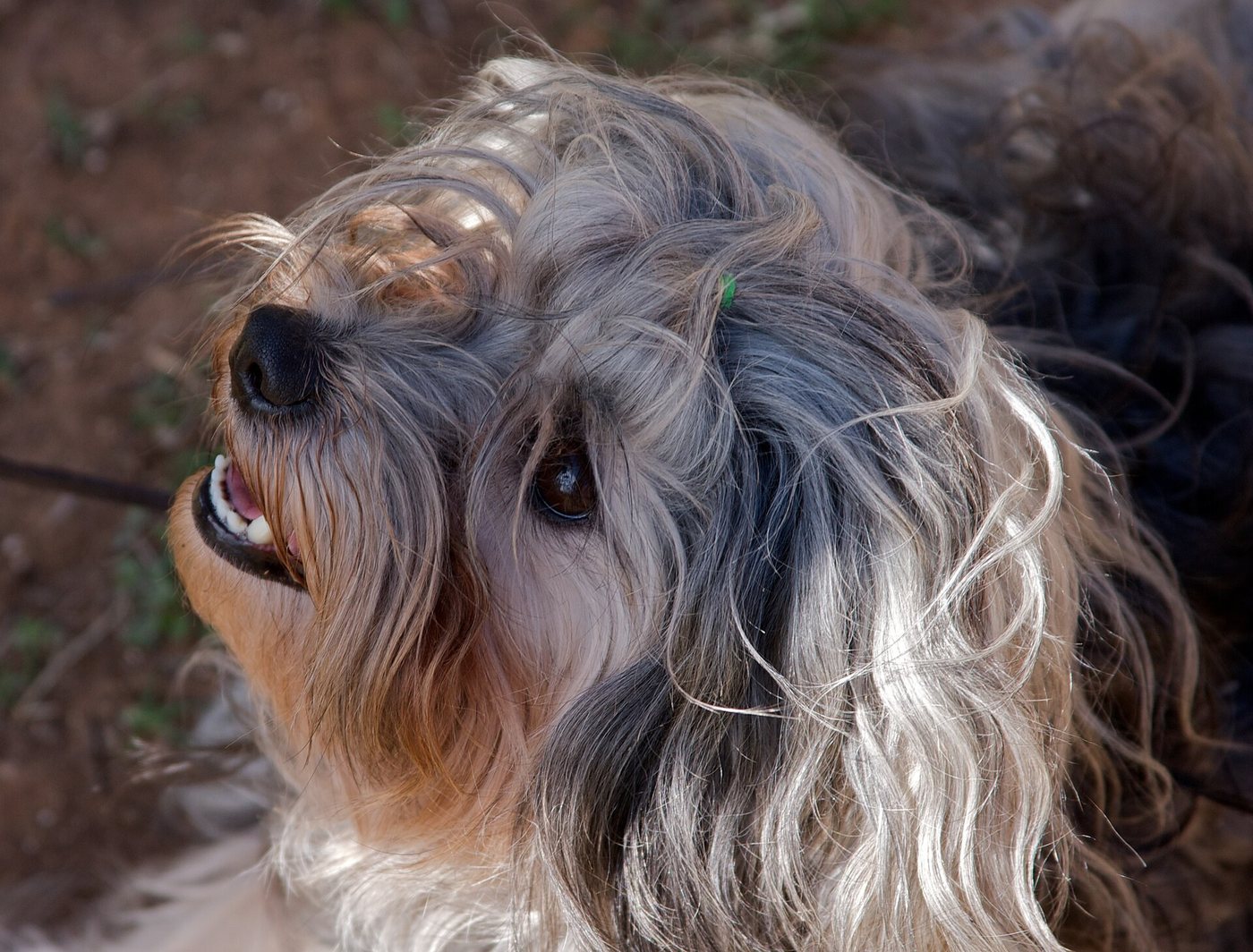
A small, elegant dog most famous for its traditional 'lion clip' — the hindquarters, muzzle, and lower legs shaved close, leaving a full mane over the shoulders, a plume on the tail, and bracelets of hair on the legs. Kept natural, the coat is long, dense, and slightly wavy in white, black, brown, or parti-colour patterns. The expression is bright and mischievous.
Care & daily life
About 45 minutes to an hour of exercise and play a day keeps a Löwchen happy — they are small but not lazy, and many enjoy agility and trick training. The coat mats if neglected: brush two or three times a week whether the dog is in the lion clip or a natural coat, and schedule clipping every four to six weeks if you keep the traditional trim. Pay attention to dental care, as with most small breeds.
Health & lifespan
The Löwchen is generally known for the following health watch-points:
- Generally a healthy, long-lived breed
- Patellar luxation (slipping kneecaps) — the usual small-breed watch point
- Eye screening is recommended for cataracts and progressive retinal atrophy
- Hip screening in breeding stock in some lines
Living with a Löwchen
Löwchens suit apartments and houses alike and travel well, making them easy companions for singles, couples, and families. They are social dogs that dislike long daily solitude; expect a dog that follows you from room to room. Their rarity means puppies can be hard to find and waiting lists are normal.
History
Little lion dogs appear in European art from the 1400s onward — a dog in a Goya painting is often cited — kept as companions by aristocratic and wealthy families in France, Germany, and beyond. The modern breed was nearly wiped out by the mid-20th century and was rebuilt starting in the 1940s by Belgian breeder Madame Bennert, whose remaining dogs founded today's population.