Overview
The Silkie breaks most chicken rules. Its feathers are structured like fur, its skin and bones are black, it has five toes and blue earlobes, it cannot fly at all, and it lays eggs mainly as a side hobby between bouts of the most determined broodiness in chickendom. What it offers instead is temperament: Silkies are famously the gentlest, most child-friendly chickens in existence, and hens will hatch and raise literally anything.
Temperament & personality
Sweet is the word every source reaches for. Silkies bustle about in a friendly, slightly absent-minded way, tolerate handling and children superbly, and make poor free-rangers only because hawks find them as easy to catch as keepers do. Even the roosters are gentlemen. Their one obsession is motherhood, pursued with total commitment several times a year.
Appearance
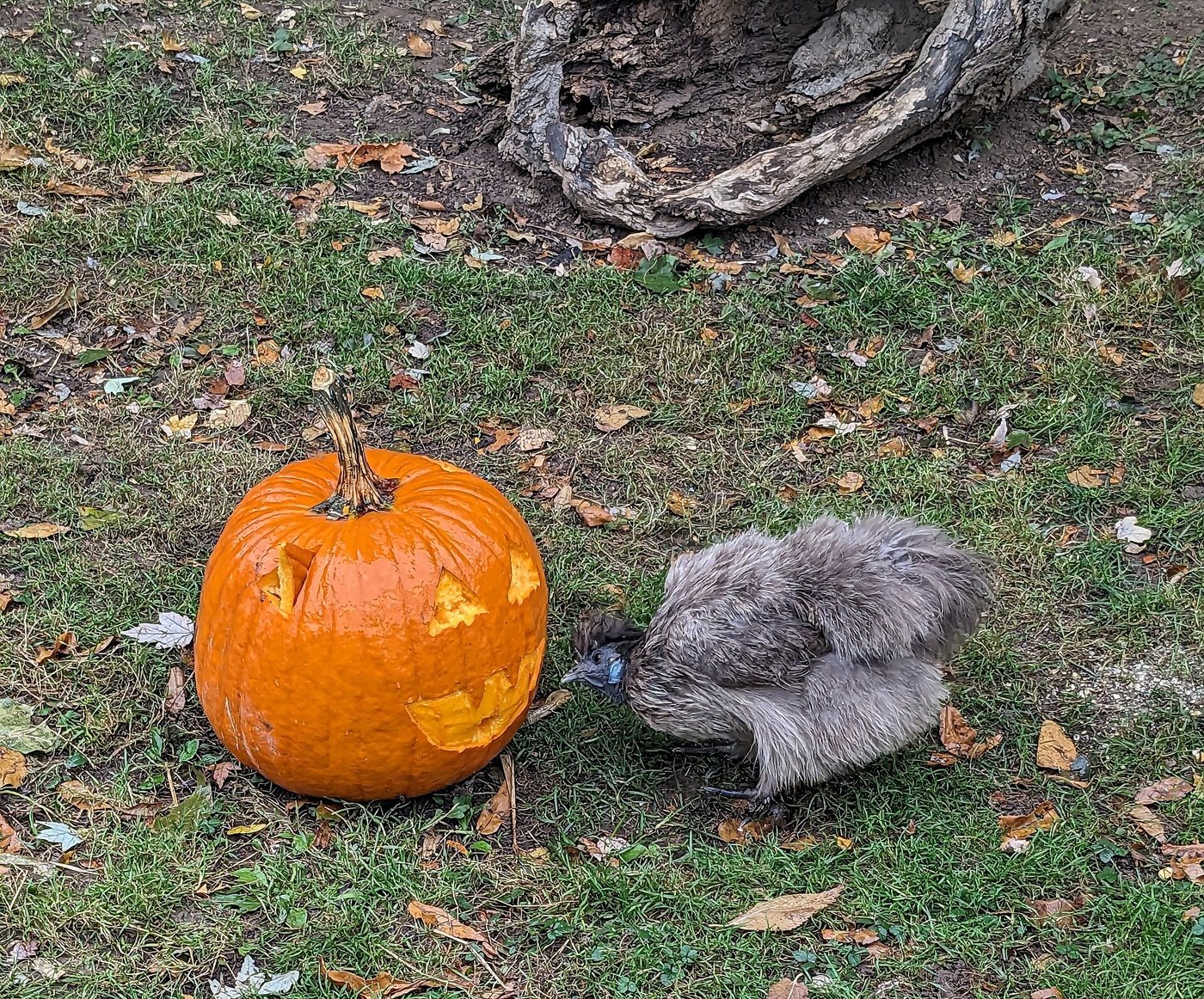
Less a chicken, visually, than a small feathered mammal: the plumage lacks the hooks (barbicels) that zip normal feathers together, so a Silkie looks permanently wrapped in silk floss or fur. Underneath: black skin, black bones and meat (a trait called fibromelanosis), blue earlobes, five toes instead of four, feathered legs, and a pom-pom crest. White is the classic variety; black, blue, buff, and partridge also exist.
Care & daily life
Silkies need a drier, more sheltered life than other chickens: a roofed run, dry bedding, and no mud, because their feathers cannot shed water. Keep crests trimmed if they obscure vision. They cannot fly, so low roosts and ramps suit them. Because broodiness is a near-constant, decide your policy in advance — fertile eggs to hatch, or daily removal and a broody-breaking routine. Their small size and gentleness mean housing them with large, assertive breeds is asking for bullying; many keepers run a separate Silkie pen.
Health & lifespan
The Silkie is generally known for the following health watch-points:
- Marek's disease — Silkies are considered particularly susceptible; vaccination matters
- Wet-weather chilling: soaked plumage loses all insulation, risking hypothermia
- Vaulted skulls in heavily crested lines can leave a soft spot — head injuries are a risk
- Scaly leg mite and lice in the abundant leg and body feathering
- Vitamin deficiencies occasionally blamed for wry neck in chicks
Living with a Silkie
Silkies suit families, children, schools, and anyone keeping chickens primarily as pets; they are also the professional's broody of choice for hatching precious eggs. They need shelter from wet weather, protection from big bossy breeds, and a keeper relaxed about low egg counts. They live 7–9 years commonly, sometimes longer — pet lifespans for a pet breed.
History
Marco Polo wrote home in the 13th century about chickens with 'hair like a cat' in China — almost certainly Silkies. The breed is ancient in China, where the black-boned bird (wu gu ji) is a traditional delicacy and medicinal food. Reaching Europe and America by the 1800s, Silkies were exhibited as curiosities — early showmen allegedly billed them as chicken-rabbit crosses — before settling into their modern role: pet, show bird, and universal foster mother.